
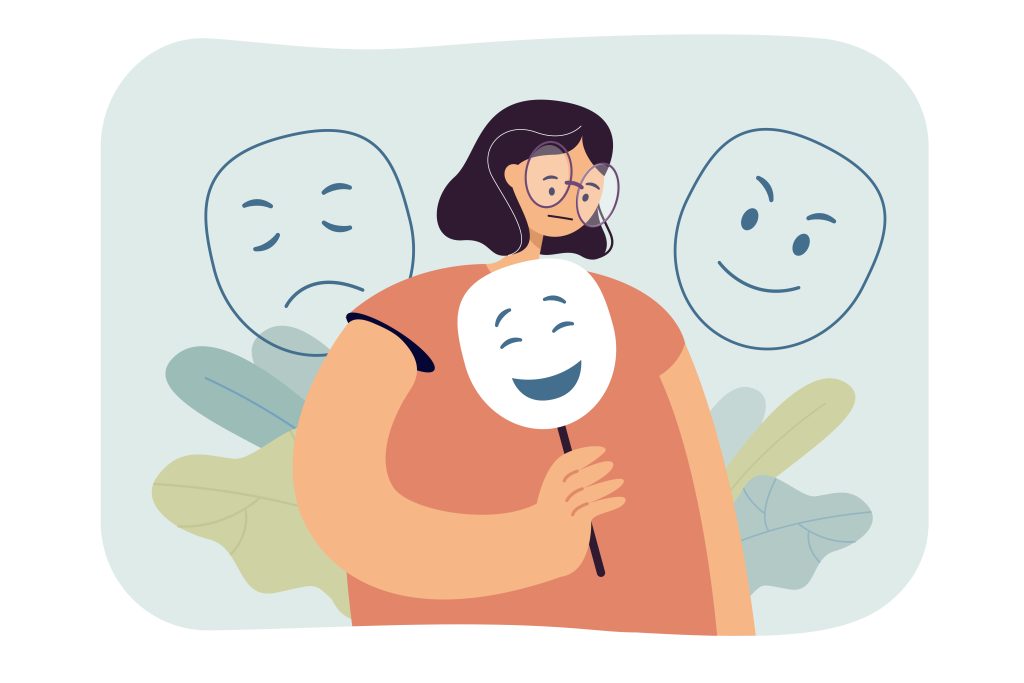
Let me ask you something tender:
How many times today have you said “yes” when you wanted to say “no”?
How many times have you laughed along when something wasn’t funny?
How many times have you apologised for taking up space, for having a need, for being exactly who you are?
If you’re a people-pleaser, you know this dance well. You’ve learned to read rooms, to sense shifts in mood, to adjust yourself to keep everyone comfortable. You’re the peacekeeper, the fixer, the one who makes sure no one is upset.
But here’s what’s breaking my heart:
While you’re taking care of everyone else, who’s taking care of you?
The Survival Strategy That Outlived Its Purpose.
There’s a name for what you’re doing, though you might not have heard it before. Trauma specialists call it the “fawn response.”
You’ve probably heard of fight, flight, or freeze. Fawning is the fourth F—the one where, when danger threatens, you try to appease. You try to be so good, so helpful, so agreeable that no one would ever want to hurt you.
For many people, this strategy started in childhood. Maybe you had a parent whose mood was unpredictable. Maybe you learned early that keeping the peace meant suppressing your own needs. Maybe you discovered that if you could just make everyone happy, you’d be safe.
Dr. Gabor Maté explains: “What we call the personality traits, in addition to reflecting genuine inborn temperaments and qualities, also express the ways that people, as children, had to accommodate their emotional environment.”
Your people-pleasing isn’t a flaw. It’s a survival strategy that once protected you. The problem is, the danger has passed, but the strategy remains.
Here’s what happens when you’re always pleasing:
You become hypervigilant.
You’re constantly scanning for signs of disapproval.
You monitor everyone’s mood.
You adjust yourself like a weathervane, always turning toward what others need.
This is exhausting. And it creates anxiety, because your sense of safety depends on things you cannot control—other people’s feelings, other people’s reactions, other people’s moods.
Brené Brown speaks to this when she talks about boundaries: “When we fail to set boundaries and hold people accountable, we feel used and mistreated. This is why we sometimes attack who they are, which is far more hurtful than addressing a behavior or a choice.”
Without boundaries, resentment builds. And underneath resentment, anxiety festers.
The Cost of Abandoning Yourself
Here’s the painful truth people-pleasing doesn’t let you see:
Every time you say yes when you mean no, you abandon yourself a little.
Every time you suppress your true feelings to keep someone comfortable, you send yourself the message that your feelings don’t matter.
One reader of Maté’s work put it beautifully: “The lack of authenticity makes itself known through tension or anxiety, irritability or regret, depression or fatigue.”
Your body knows. It keeps score. And eventually, it will demand to be heard.
Small Steps Toward Reclaiming Yourself
If you’re ready to start showing up for yourself, here are gentle places to begin:
- Start with a pause. When someone asks something of you, don’t answer immediately. Say: “Let me think about that.” This interrupts the automatic “yes.”
- Practice small nos. Begin with low-stakes situations. Decline an invitation you don’t want. Order what you actually want at a restaurant. These small acts remind you that your preferences matter.
- Get curious about your yes. Ask yourself: “Am I saying yes because I truly want to, or because I’m afraid of what will happen if I say no?”
- Remember: You have a right to take up space. Your needs, your feelings, your voice—they matter as much as anyone else’s. Not more. But not less either.
If you’re tired of smiling while crumbling, please hear this: You don’t have to keep shrinking to make others comfortable.
At UD Wellness, we work with people who’ve spent their lives taking care of everyone but themselves. Through compassionate coaching and counselling, we help you explore where people-pleasing began, develop boundaries that protect your beautiful heart, and discover the freedom of showing up as your authentic self.
If you’re ready to stop shrinking and start living, we’re here. Contact UD Wellness at info@udwellness.co.za.