Resources
Frequently Asked Questions
At Unlock and Discover Wellness and Social Work Services, we understand that starting your wellness journey can come with questions. Here are answers to some of the most common ones to help you feel informed and confident.
Take a moment to reflect on the statements below. If you find yourself saying “yes” to several in a category, it may be time to explore that service.
Self-Identification Quiz
Counselling Needs
•I feel overwhelmed by emotions like sadness, anxiety, or anger.
•I’ve experienced trauma, loss, or a major life change.
•I struggle with mental health challenges such as depression, PTSD, or burnout.
•I need a safe, confidential space to talk about personal issues.
•I want to understand and heal from past experiences.
•I feel stuck and unsure how to move forward emotionally.
Coaching Needs
•I want to set clear goals and take action toward personal or professional growth.
•I’m navigating a life transition and need clarity or direction.
•I want to build confidence, resilience, or emotional intelligence.
•I’m seeking purpose, motivation, or alignment with my values.
•I want to improve my leadership skills or performance.
•I feel ready to grow but need support and accountability.
You Might Benefit from Both If…
•You’re healing from emotional wounds and also want to rebuild your life.
•You’re managing stress or trauma while pursuing personal development.
•You want to move from surviving to thriving—with both emotional support and strategic guidance.
📞 What’s Next?
If you checked several boxes, we’re here to support you. Whether you need healing, growth, or both, our compassionate team will help you choose the right path.
👉 Book a Discovery Session
👉 Contact Us for a Consultation
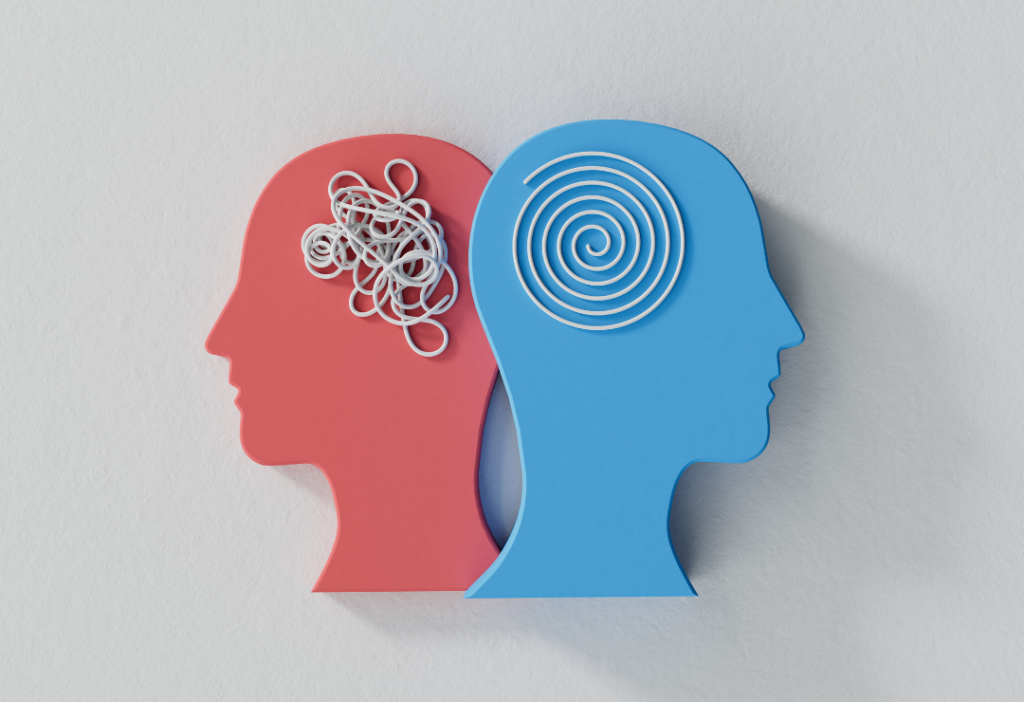
Counselling focuses on emotional healing and mental health support, often addressing past experiences and trauma. Coaching is future-focused, helping you set goals, build confidence, and grow personally or professionally. [Read our blog on this topic →]Counselling vs. Coaching: Understanding the Difference and Choosing the Right Path.
Absolutely. We adhere to strict ethical standards to ensure your privacy and safety.
Yes. We are registered with the Board of Health Funders (BHF) and accept medical aids for individual and family counselling services.
We offer flexible payment plans and accept EFT and medical aid.
Yes. We provide hybrid services—both in-person and online—to ensure accessibility.
You can fill out our enquiry form, send us a WhatsApp or call us directly.
A warm, welcoming space where we explore your needs, goals, and how we can support your journey
Absolutely. We welcome referrals from individuals, professionals, and organizations.
Trauma-informed care is an approach that recognizes the widespread impact of trauma and understands the signs and symptoms of trauma in clients. Unlike traditional counselling, which may focus only on present behaviours or symptoms, trauma-informed care asks, “What happened to you?” rather than “What’s wrong with you?”
At UD Wellness, this means:
- We prioritize creating a safe, trusting environment
- We understand how trauma affects the brain, body, and relationships
- We avoid approaches that could re-traumatize clients
- We empower you to take back control of your healing journey at your own pace
You don’t need to have a diagnosed trauma to benefit—this approach simply ensures that everyone is treated with sensitivity, compassion, and respect.
Not at all. While trauma-informed care is essential for those who have experienced abuse, loss, or violence, it benefits everyone. Many people seek counselling for anxiety, depression, relationship struggles, or burnout—and often discover that past experiences (big or small) have shaped their current patterns.
Trauma-informed care simply means we hold space for whatever you bring, without judgment. Whether you’re dealing with childhood wounds, a recent divorce, chronic stress, or just feeling “stuck,” our approach ensures you feel safe, heard, and supported every step of the way.
Trauma is often passed down through generations—not genetically, but through learned behaviours, communication patterns, and coping mechanisms. A parent who grew up with emotional neglect may unknowingly repeat those patterns with their own children. A couple may argue in ways that mirror their childhood environments.
Trauma-informed care helps you:
- Recognize unhealthy patterns you may not have been aware of
- Understand why you react the way you do under stress
- Learn new tools for communication and connection
- Heal your own wounds so you don’t pass them on
Many of our clients come in wanting to “fix” a current problem—and leave with a deeper understanding of themselves and the tools to create lasting, positive change for their entire family system.
No. While trauma-informed care is essential for survivors of abuse, it’s also valuable for anyone navigating:
- Grief and loss
- Divorce or relationship breakdown
- Work-related burnout or chronic stress
- Anxiety or depression
- Life transitions (becoming a parent, retrenchment, retirement, empty nest)
Trauma-informed care is simply a compassionate, empowering way of working with all clients—because everyone deserves to feel safe and supported.
Yes! At UD Wellness, we offer both online and in-person sessions to meet you where you are. We believe that access to quality care shouldn’t be limited by location, schedule, or mobility.
In-Person Sessions | Online Sessions |
|---|---|
Held in our comfortable, private office in Pretoria | Held via secure, confidential video platform |
Ideal if you prefer face-to-face connection | Ideal if you’re busy, travel often, or live outside Pretoria |
Great for those who find it helpful to be in a dedicated “therapy space” | Great if you feel more at ease in your own environment |
Allows for traditional therapeutic presence | Offers flexibility and convenience |
Which is better? That depends on your personal preference, schedule, and comfort level. Many clients choose a mix of both. We’re happy to discuss what might work best for you during your initial consultation.
Yes—research shows that online counselling can be just as effective as in-person sessions for a wide range of concerns, including anxiety, depression, trauma, and relationship issues.
Many clients find online sessions:
- More accessible – No travel time, no traffic, no waiting rooms
- More comfortable – You’re in your own safe space
- Easier to fit into a busy schedule – Sessions during lunch breaks or after kids are in bed
That said, some clients prefer the energy of sitting across from their counsellor in person. There’s no wrong choice. We’re here to support you in whichever format helps you heal and grow.
Note: All online sessions are conducted on a secure, encrypted platform to protect your privacy.
Still have questions?
We’re here to help. Contact us or book a free discovery session to learn more.